
Physics guides & teaching ideas
Worked examples, practical reading guides and ideas for turning an interactive model into a useful investigation.
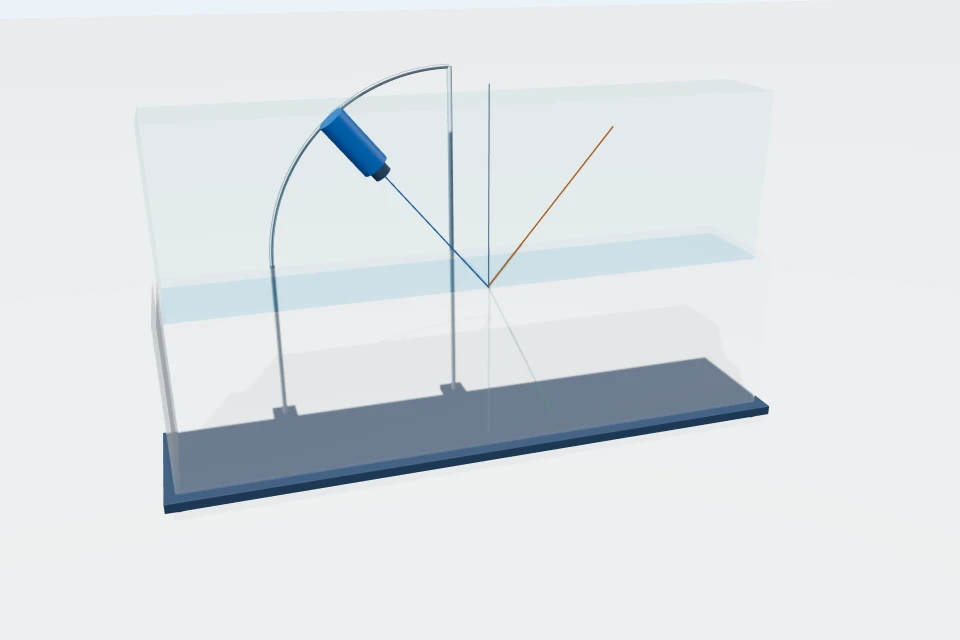
Snell’s law: refraction, examples and critical angle
Use n₁sinθ₁ = n₂sinθ₂ to calculate refraction angles. See why rays bend, find the critical angle and test total internal reflection in a 3D lab.
Read guide →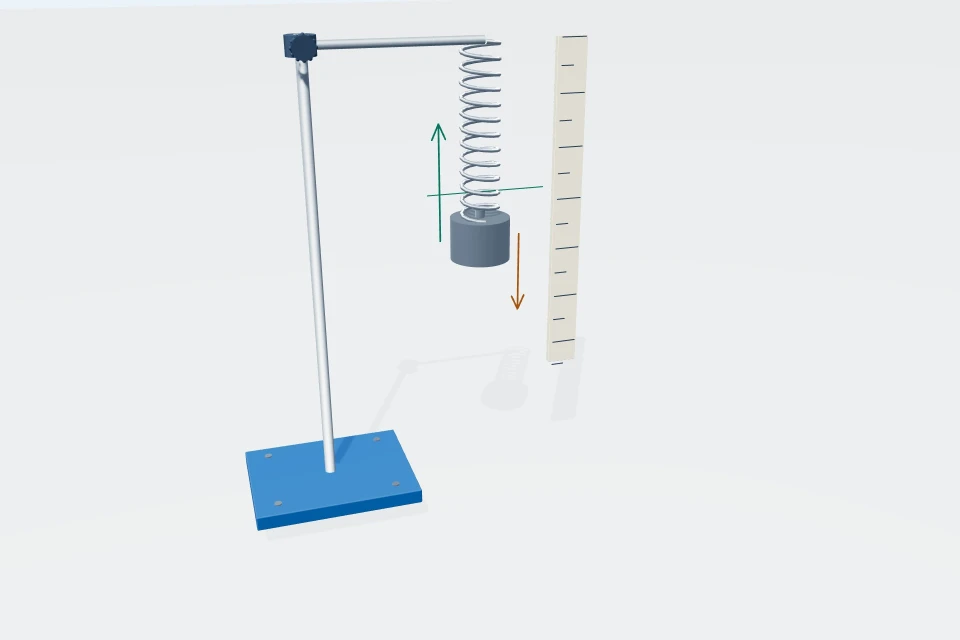
Hooke’s law: spring constant, graphs and energy
Use F = kx to find a spring constant, read a force–extension graph and calculate elastic energy. Includes a worked example and a spring experiment.
Read guide →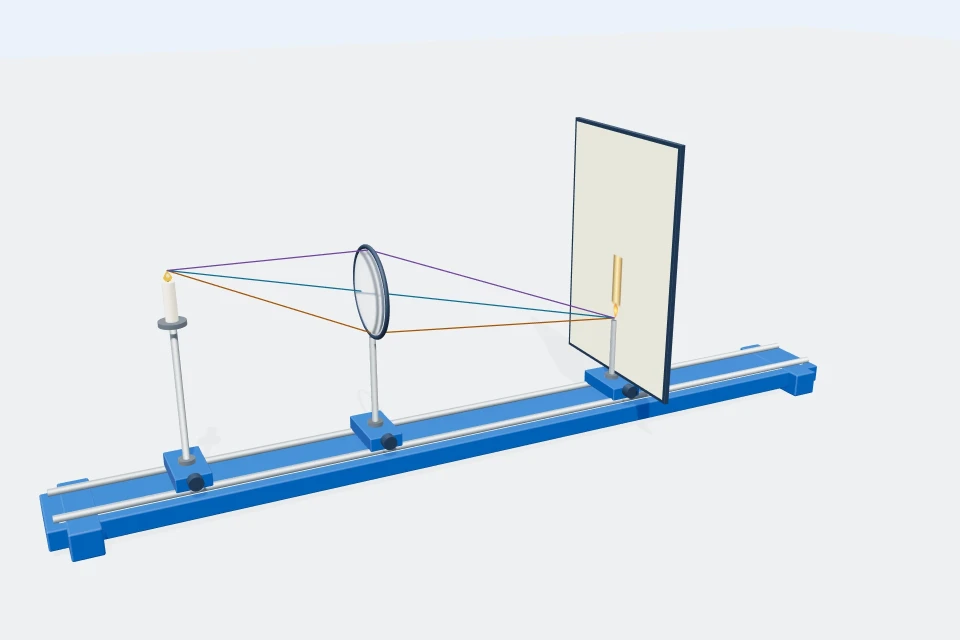
Thin lens formula: image distance, magnification and virtual images
Use 1/f = 1/dₒ + 1/dᵢ to locate an image. Learn the sign convention, calculate magnification and see why a concave lens gives a virtual image.
Read guide →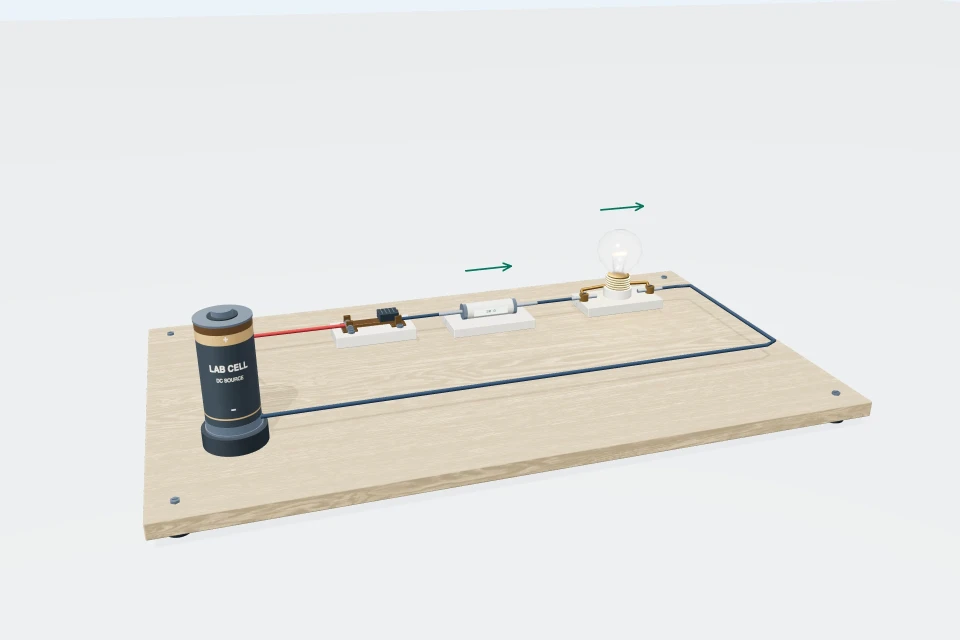
Ohm’s law explained: V = IR, graphs and circuit examples
Use V = IR to calculate current, voltage and resistance. Compare series and parallel circuits, read an I–V graph and test a bulb model in the simulation.
Read guide →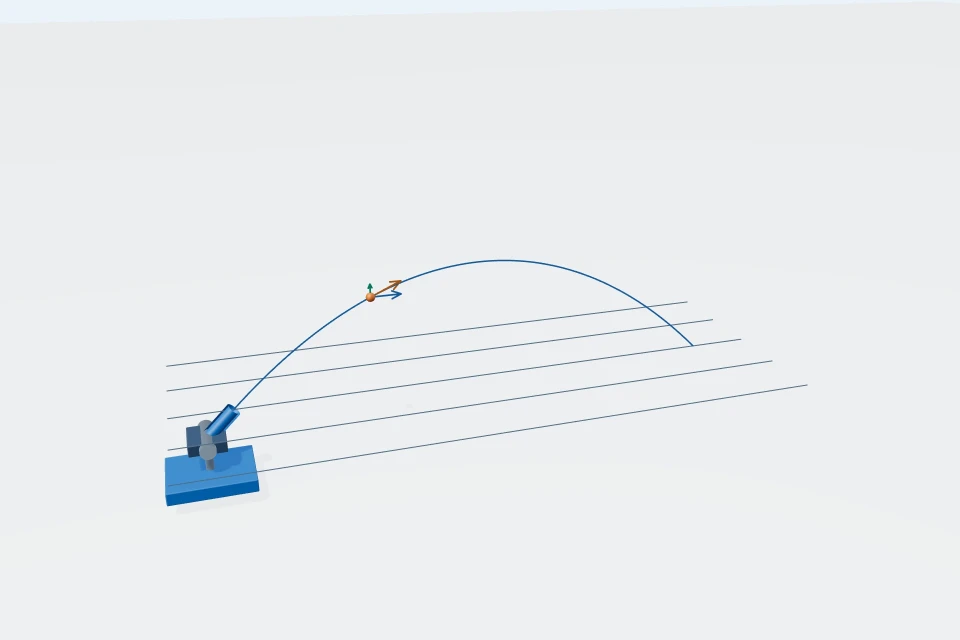
Projectile motion formulas: range, height and flight time
Learn when projectile motion equations apply, resolve velocity into components and calculate range, maximum height and flight time with a worked example.
Read guide →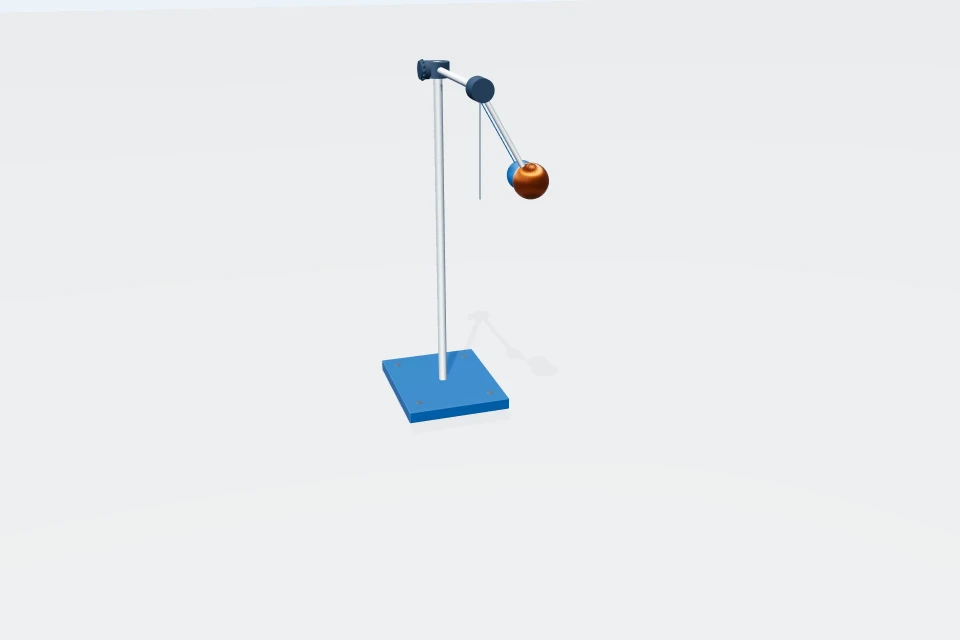
How to use physics simulations in a lesson
A practical predict–investigate–explain routine for teaching with physics simulations, with a pendulum example and a checklist for using model limitations.
Read guide →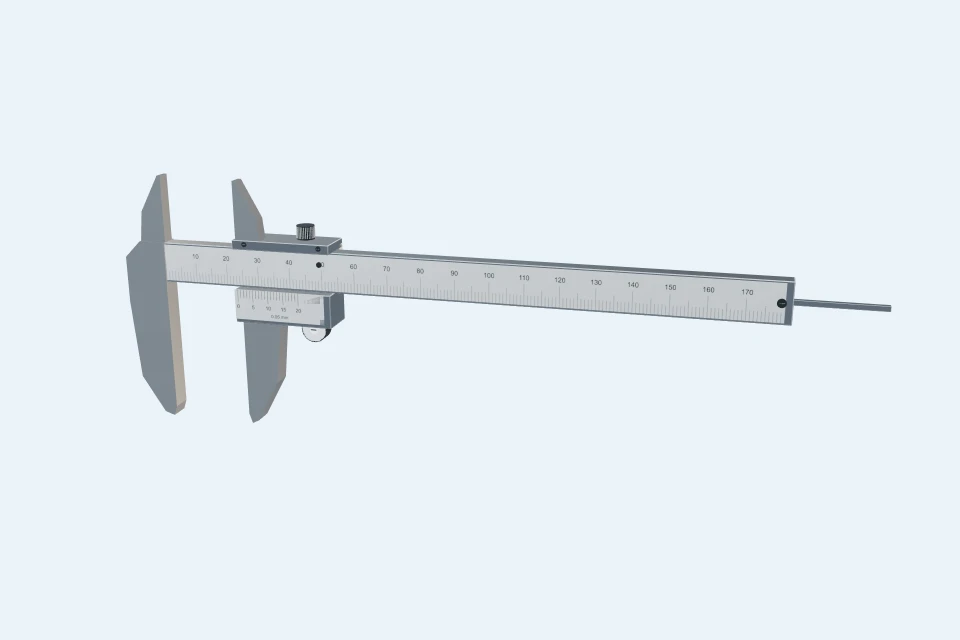
How to read a vernier caliper
Combine the main scale and vernier reading, check least count and correct zero error. Includes a worked example and an interactive caliper to practise.
Read guide →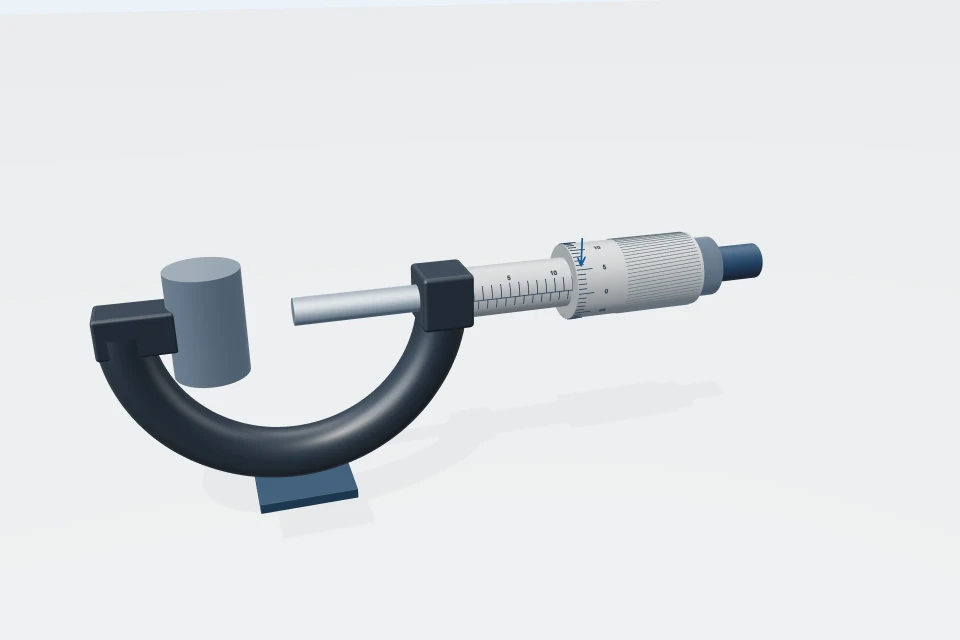
How to read a micrometer screw gauge
Read the sleeve and thimble, calculate least count and correct zero error. Work through a metric micrometer example, then practise in the simulation.
Read guide →Built to connect ideas with experiments
Each guide links to a working simulation and separates the ideal model from real apparatus. Our articles are educational starting points, not exam-board endorsements.