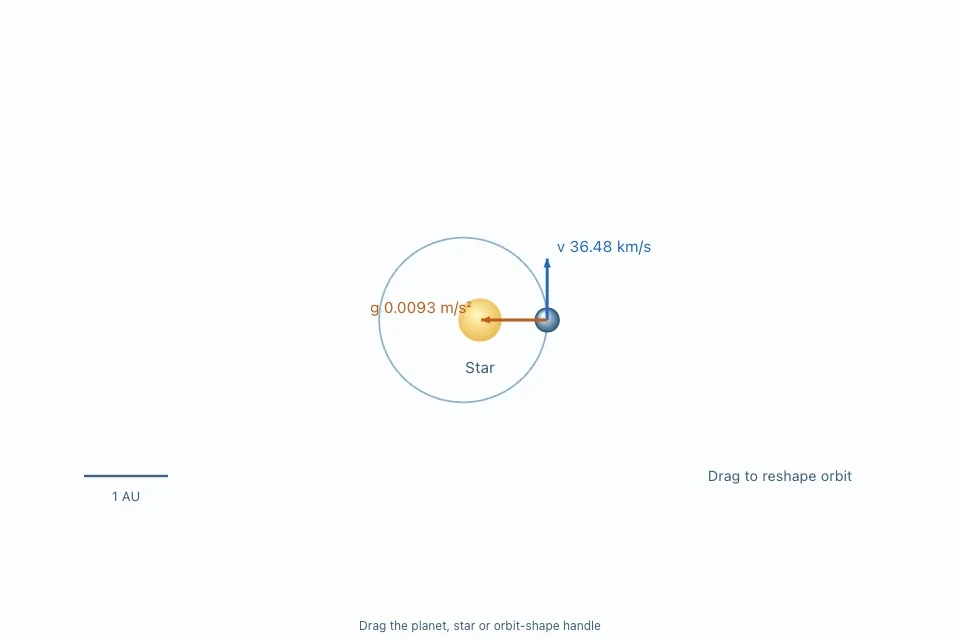
2D physics simulations
Focus on the relationships with clear 2D diagrams, graphs and adjustable models. Compare forces, rays, circuits and wave patterns without needing to rotate a 3D view.
Mechanics 6
Explore forces, motion, momentum, energy and oscillations through interactive mechanics experiments.
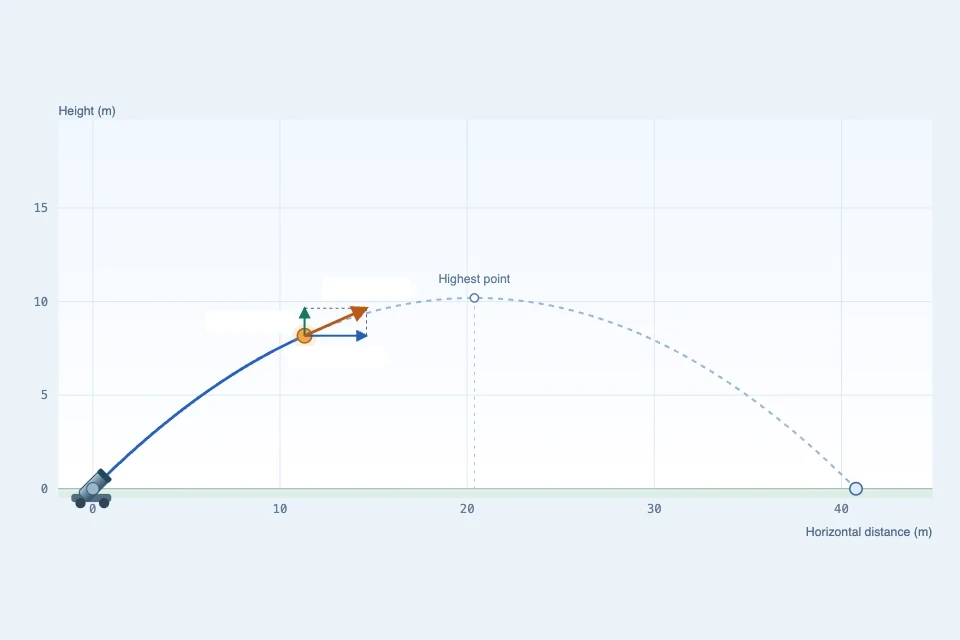
Projectile motion
Which launch angle gives the greatest range?
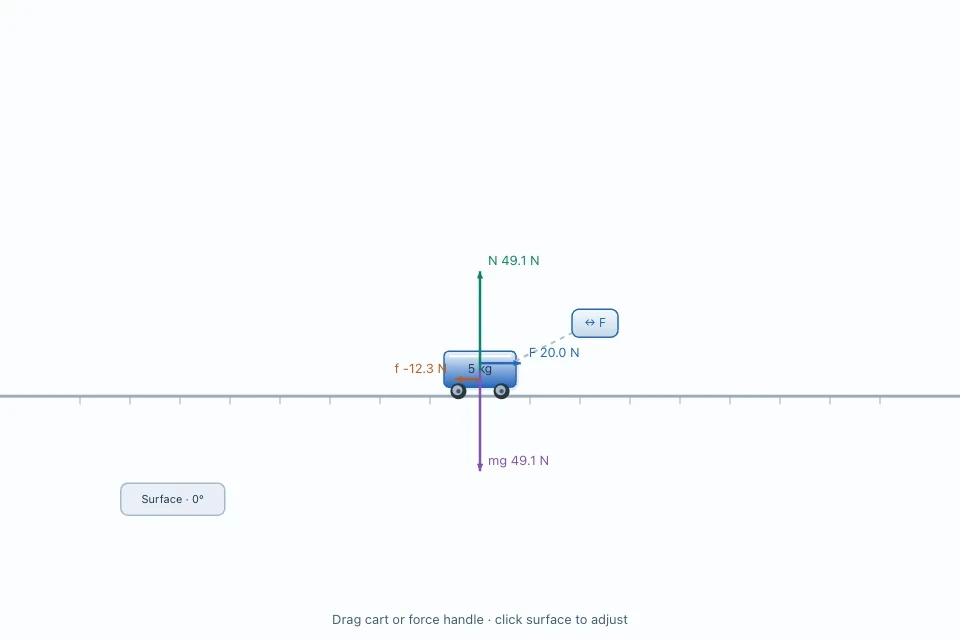
Forces & friction
How much force is needed to start a stationary cart?
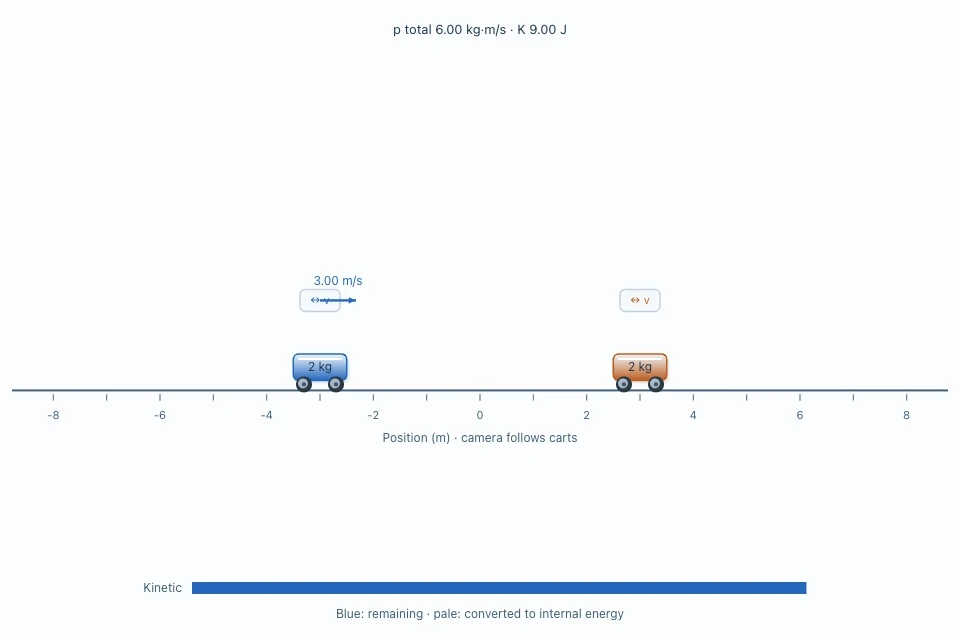
Momentum & collisions
What stays the same when carts collide and stick?
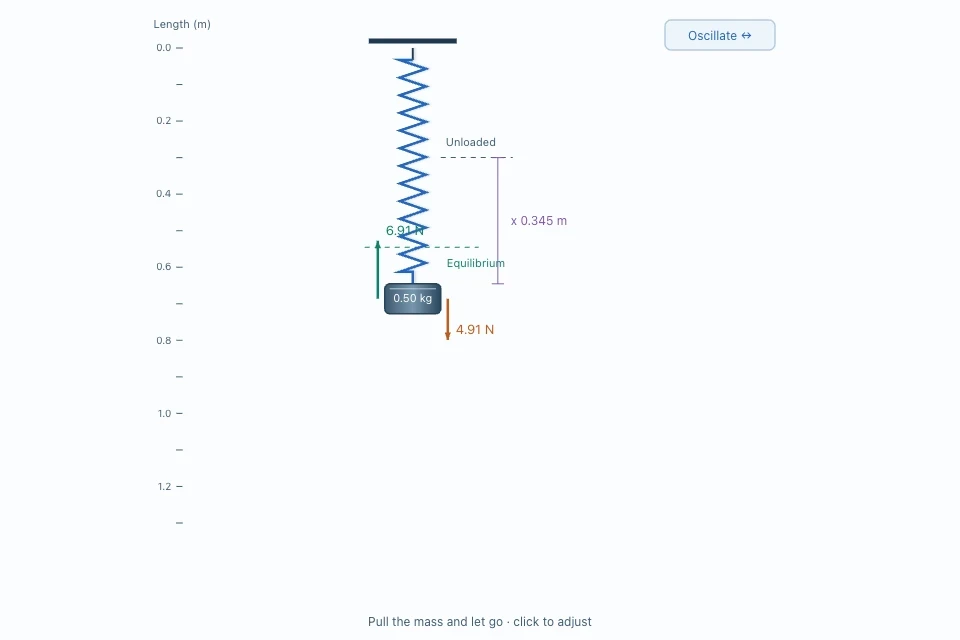
Hooke’s law & spring energy
How can a load–extension graph reveal spring stiffness?
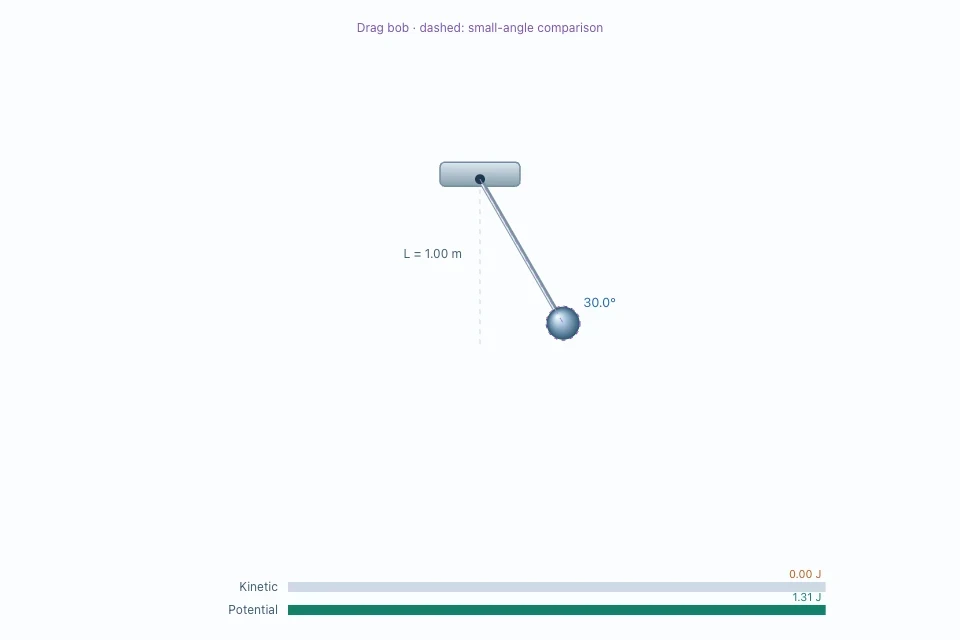
Pendulum & oscillations
When does the small-angle period stop being a good approximation?
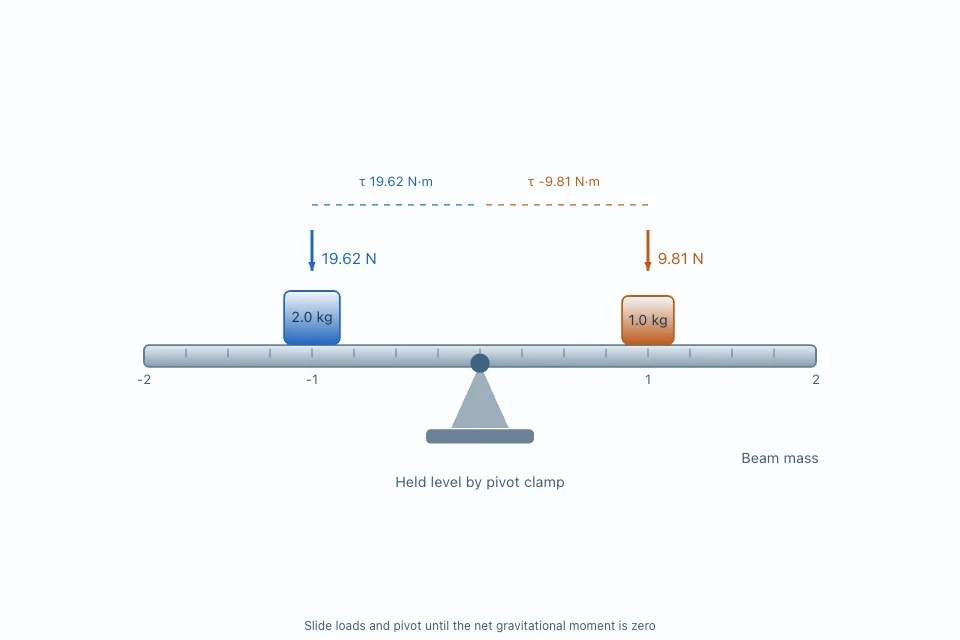
Levers & torque
Can a smaller load balance a larger load?
Electricity & magnetism 3
Build understanding of current, resistance, fields and induction with circuits, motors, generators and electrical measurement labs.
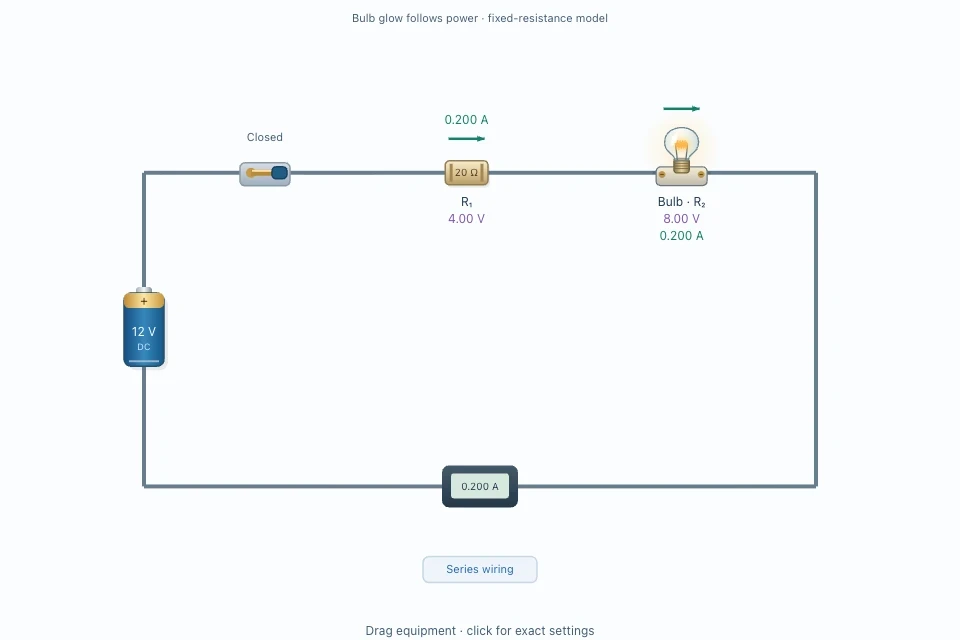
DC circuits & Ohm’s law
How does current change when resistors are moved from series to parallel?
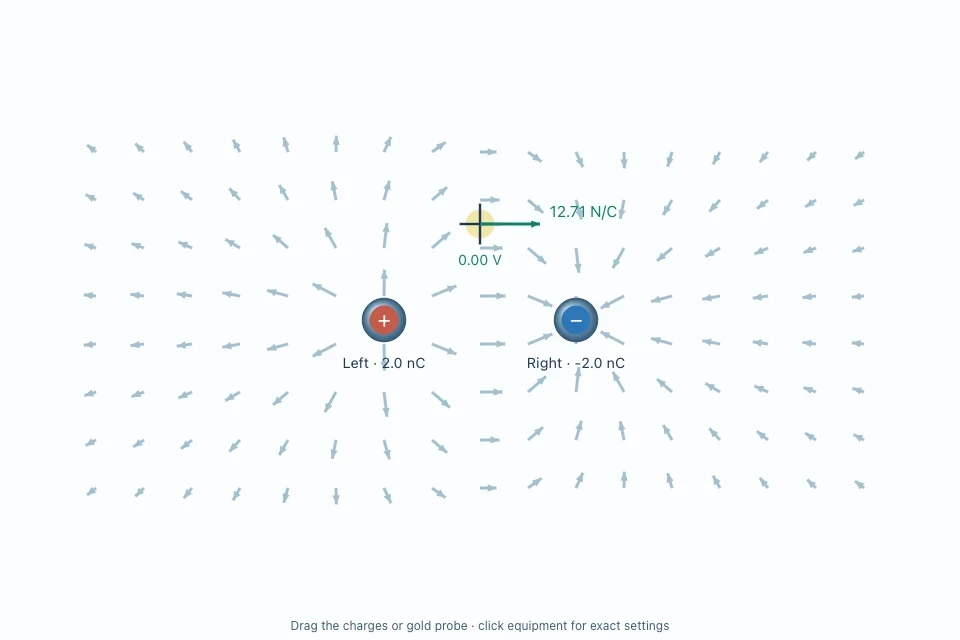
Charges & electric fields
Can two nonzero charges produce a zero electric field?
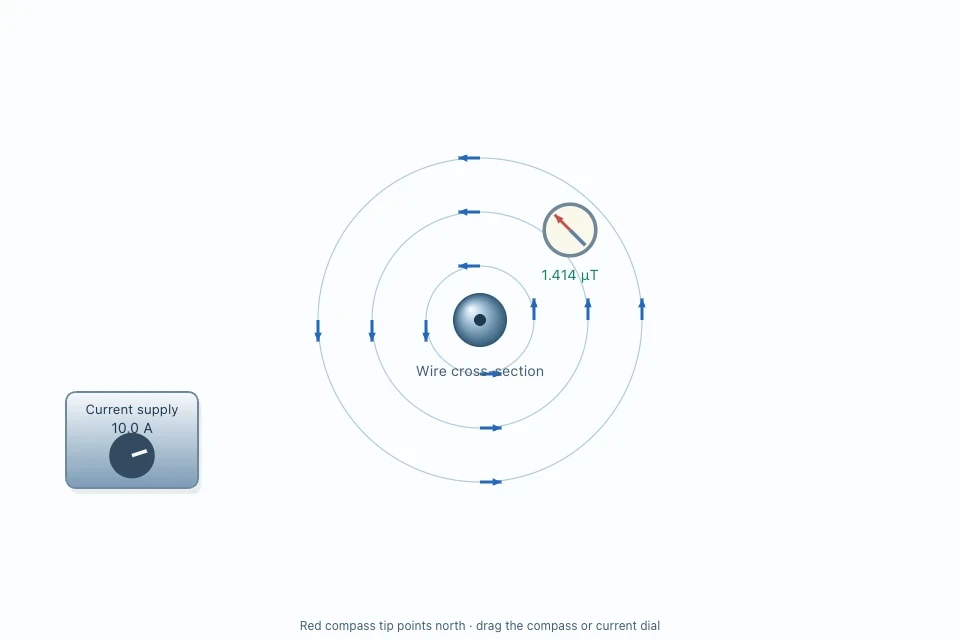
Magnetic fields & compass
How does reversing current change the magnetic field?
Waves & sound 2
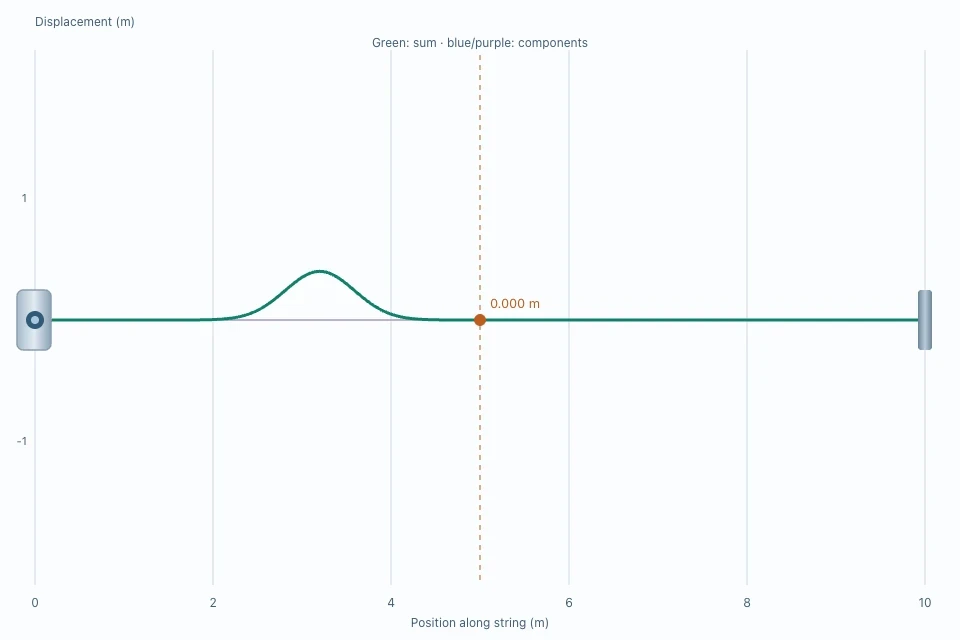
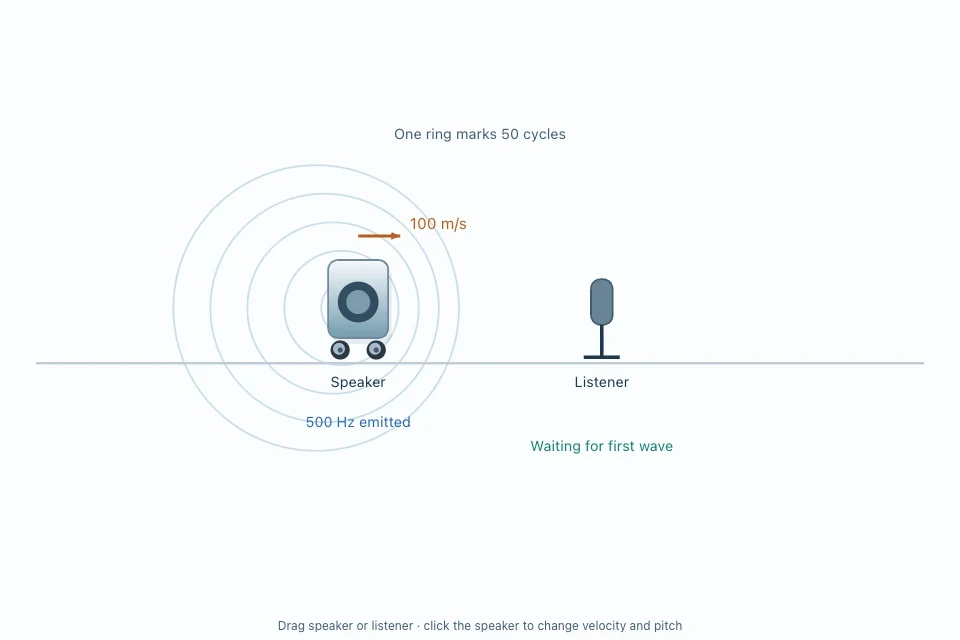
Investigate interference, resonance, Doppler shifts and echoes with wave and sound simulations.
Optics 3
Trace light through lenses, explore refraction and investigate diffraction, polarisation and colour mixing.
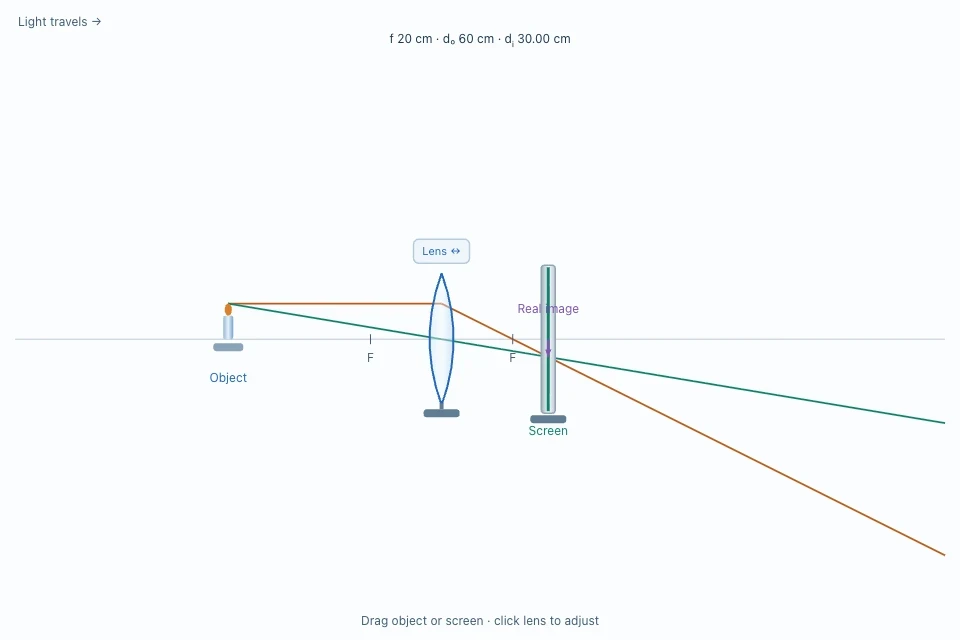
Lenses & image formation
When can an image be caught on a screen?
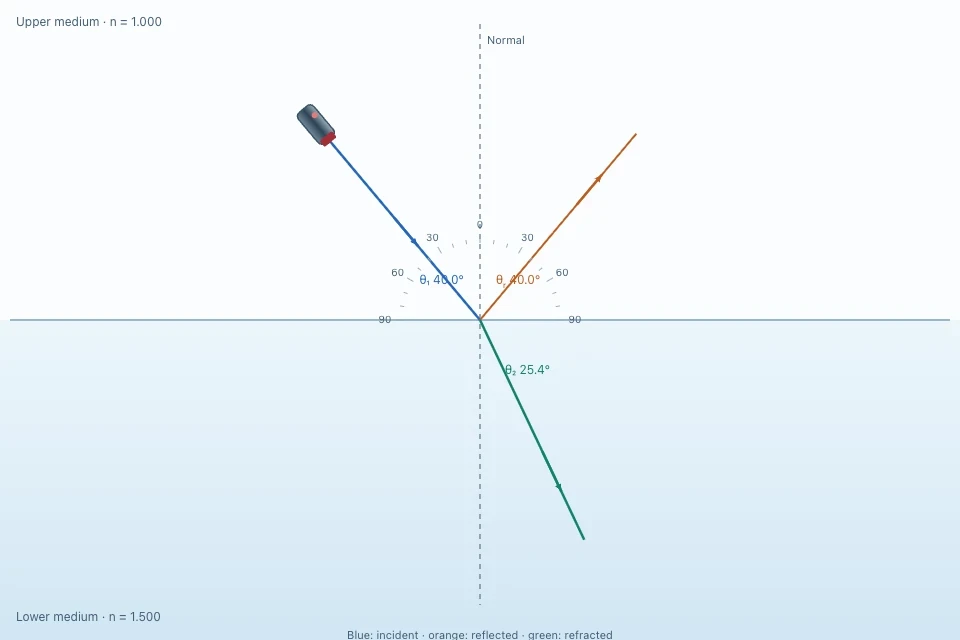
Refraction & total internal reflection
Why is there a critical angle from glass into air, but not from air into glass?
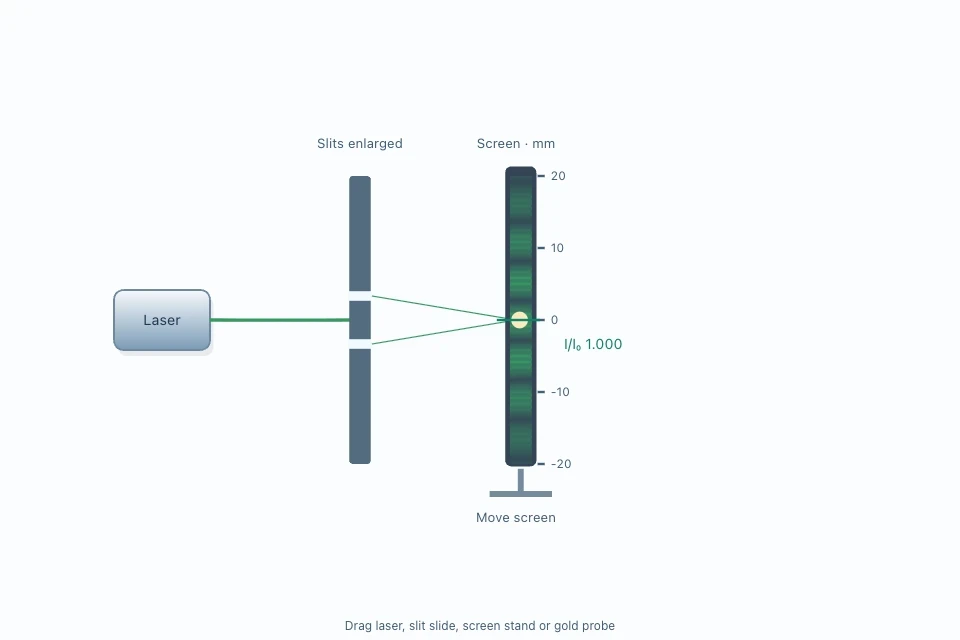
Double-slit diffraction
How do slit separation and slit width affect different parts of the screen pattern?
Thermal physics 2
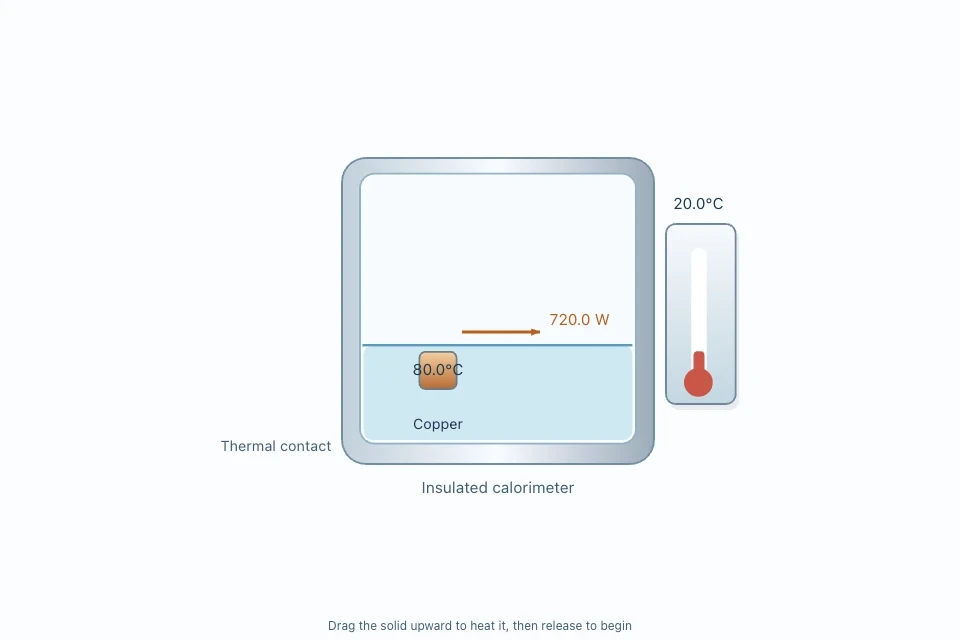
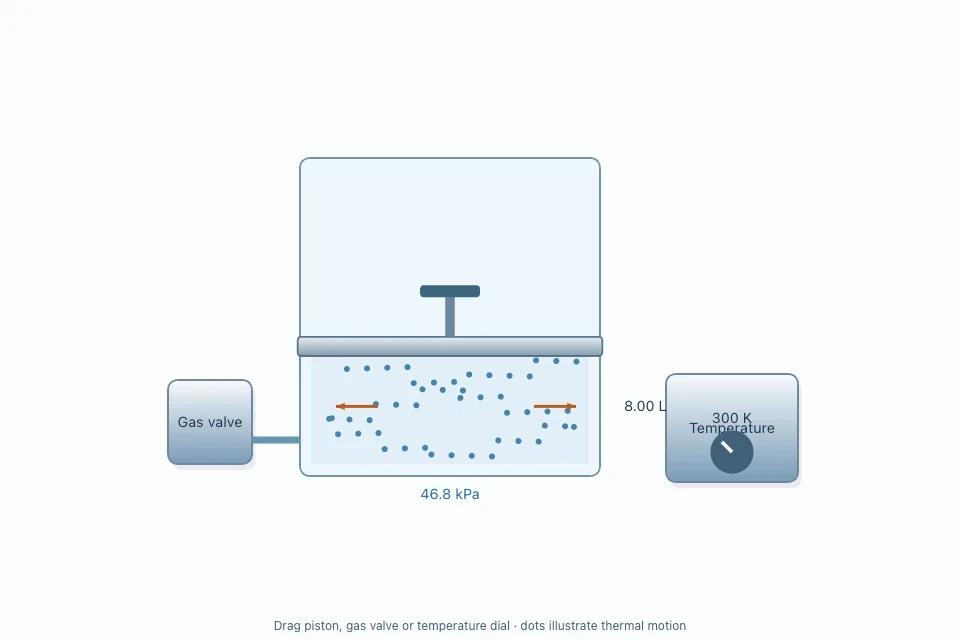
Explore gas pressure, heat transfer, specific heat capacity and changes of state using controllable thermal models.
Fluids & matter 1
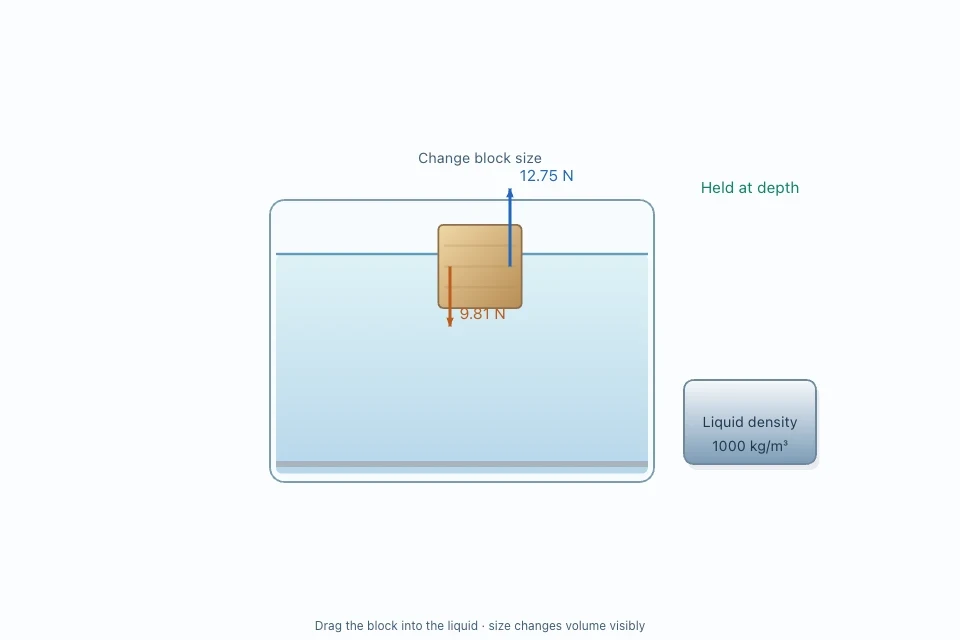
Investigate pressure, upthrust, hydraulic systems and the microscopic motion behind diffusion.
Atomic & nuclear physics 1
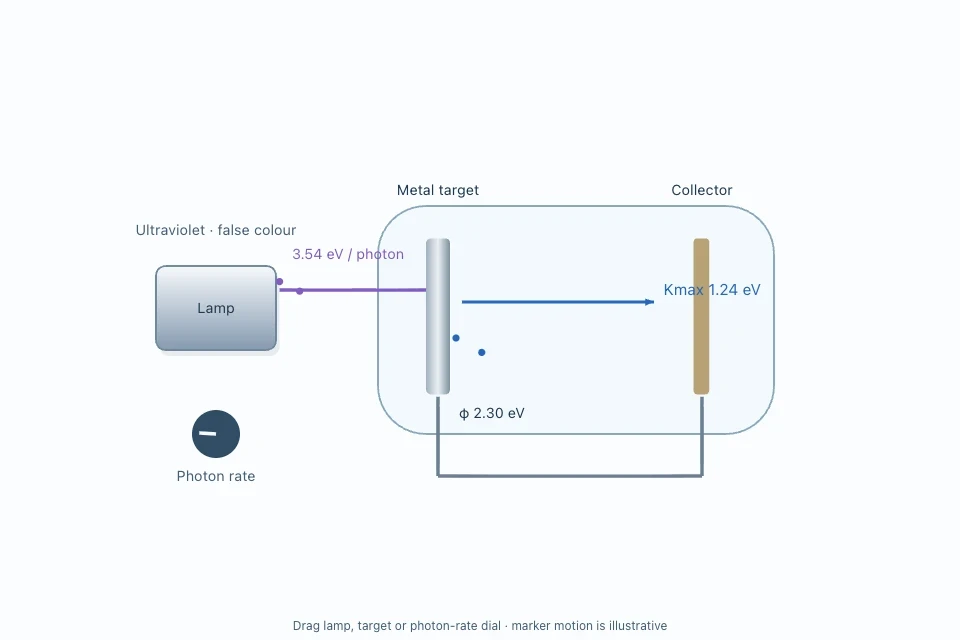
Explore electron beams, the photoelectric effect, nuclear scattering, X-rays and radioactive counting through idealised models.
Space & gravity 1
Explore orbital motion and gravitational attraction by changing mass, separation and initial velocity.